This week, it’s the language of politics. Martha and Grant discuss two handy terms describing politicians: far center and snollygoster. Also, a presidential word puzzle, false friends, spendthrifts, and a long list of 17th-century insults. So listen up, all you flouting milksops, blockish grutnols, and slubberdegullions! This episode first aired February 20, 2010.
Far Center
 Grant explains the meaning of the new slang term “far center,” and Martha tries to revive an antiquated term meaning “a corrupt politician,” snollygoster.
Thrifty and Spendthrift
Careful about how you spend your money? Then you’re said to be “thrifty.” So why is someone who isn’t frugal called a spendthrift?
Pommy
Pommy is an often derogatory nickname used by Australians for the English. Does it come from an acronym for either “Prisoner of Mother England” or “Prisoner of Her Majesty”? The more likely story has to do with sunburn and pomegranates.
Graydar
An older woman with a knack for finding older men to date? That’s what you call someone with excellent graydar.
Presidential Names Quiz
Speaking of politics, Quiz Guy Greg Pliska presents a puzzle featuring the names of U.S. presidents.
Faux Amis
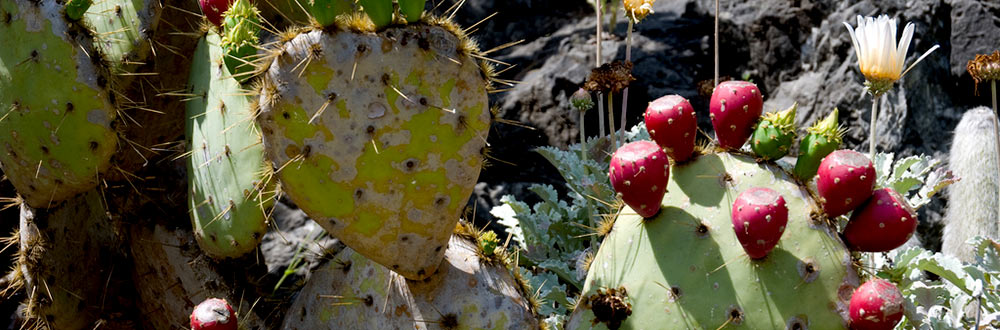
Beware of false friends, those words that don’t translate the way you’d expect. For example, the word “gift” in German means “poison,” and the Spanish word “tuna” means “the fruit of the prickly pear cactus.” These tricky lookalikes are also called faux amis.
Trade-Lasts
A North Carolina woman says when she told her friend she had a TL for her, the friend had no idea what she was talking about. She learns that the term is a shortened form of a secondhand compliment also known as a trade-last or last-go-trade.
Refer Back
Is the term “refer back” redundant?
Stevedore
Martha reports that listeners have been trying to help a caller remember a word for “someone who’s exceptionally good at packing things in a confined space.” She thinks she’s found a winner: stevedore.
Keep At Bay
To keep something at bay means to maintain a safe distance from it. But does this expression derive from an old practice of using bay leaves to ward off pestilence?
CamelCase
A Tallahassee caller wonders about the name for terms that are capitalized in the middle, like MasterCard and FedEx. Grant explains that they’re commonly called CamelCase, not to be confused with Studly Caps.
Skee-Ball Slang
Grant shares some slang he’s found while exploring the game of Skee-Ball, including to hit the hundo.
17th Century Insults
The hosts and a listener in Grand Rapids, Michigan, trade some 17th-century insults. For more, check out these references: Gargantua and English Words With Native Roots And With Greek, Latin, Or Romance Suffixes by George Albert Nicholson.
This episode is hosted by Martha Barnette and Grant Barrett, and produced by Stefanie Levine.
Photo by Thomas Quine. Used under a Creative Commons license.
Book Mentioned in the Episode
| English Words With Native Roots And With Greek, Latin, Or Romance Suffixes by George Albert Nicholson |